MyPakg Packaging Guides · October 2026 · Practical purchasing guidance
Two silver pouches look almost identical in a product photo. The quotations describe both as “Mylar.” That is not enough information to know whether you are comparing the same material construction.
The practical move is to request a layer-by-layer specification. Appearance and broad catalogue language should not carry the whole technical brief.
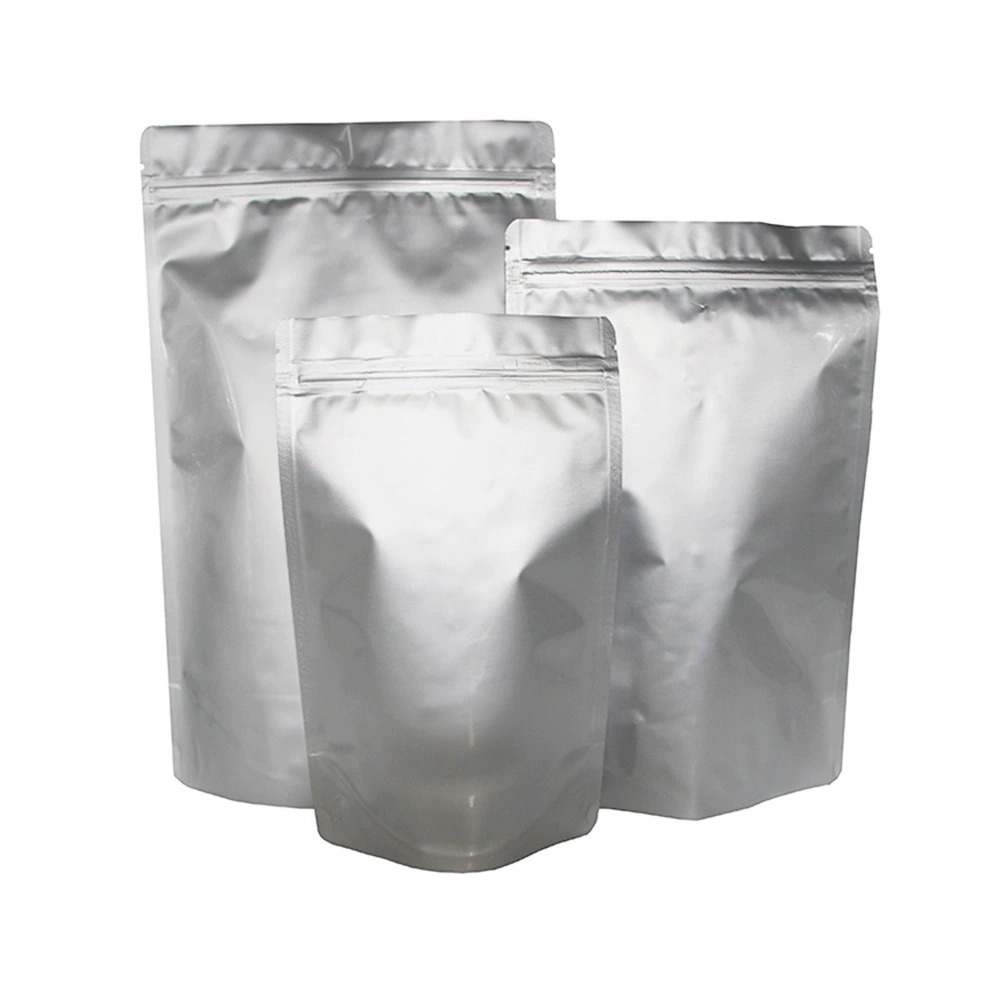
Replace a colour description with a construction
Ask whether the proposed barrier layer is a discrete aluminium foil layer or a metallized film, and request the complete laminate structure. Have the supplier explain abbreviations and identify the product-contact side. If layer thicknesses are important to the agreement, record them rather than relying only on a total.
There is no need to claim that one family is always superior. The right comparison depends on the required performance, the converting process and the finished package.
Compare evidence in the same order
| First ask | Then compare |
|---|---|
| What exactly is the structure? | Layer identity and stated thickness |
| Which performance is required? | Relevant barrier or mechanical evidence |
| How will the pouch be made and filled? | Sample behaviour on the intended process |
| What may change on reorder? | Written substitution and approval terms |
A purchasing example
Suppose a buyer receives a lower-priced alternative after approving a sample. This is an illustrative scenario, not a MyPakg transaction. The substitute has the same colour and nominal thickness, so the change appears harmless. The missing question is whether the structure and supporting performance evidence are still the same.
Ask for the difference in writing. If the material changes, compare its relevant data and run the agreed sample evaluation before accepting it. A price reduction is useful only when the revised package still meets the brief.
Use the correct test for the question
ASTM identifies separate methods for oxygen and water-vapour transmission through film. That separation is a reminder to request the property you actually need, with its conditions, rather than a general “barrier passed” statement. ASTM D3985; ASTM F1249.
Ask a qualified technical partner to choose any additional evaluations needed for flexing, handling or the contents. A short purchasing article cannot supply universal pass limits for those applications.
What belongs on the purchase order
Reference the approved structure, drawing, sample and permitted tolerances. State that substitutions require written review. Keep decorative finish separate from construction: a matte surface describes how the bag looks or feels, not every layer underneath it.