MyPakg Packaging Guides · October 2026 · Practical purchasing guidance
The second order should be easier than the first. The artwork is approved and the dimensions are familiar. Yet “same as last time” leaves a surprising amount unsaid if the factory, material or closure has changed.
A repeat order needs a reference that both parties can retrieve. Build that reference while the first approval is still fresh.
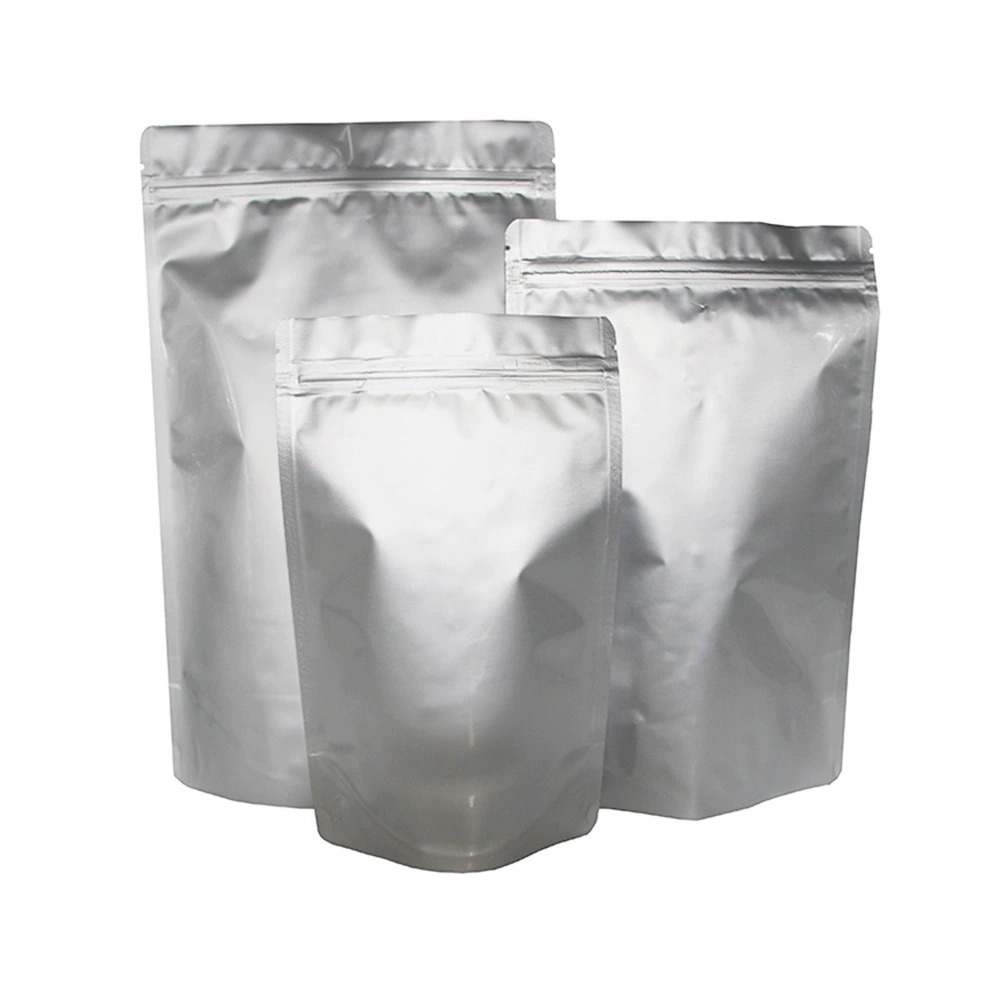
Create a small approval pack
Keep the agreed drawing, material structure, closure model, artwork file, sample photographs and supporting evidence references together. Give the pack a revision identifier and date. Link the purchase order to that identifier rather than relying on an old email attachment called “final.”
| Item | Reorder question |
|---|---|
| Material structure | Is the proposed construction unchanged? |
| Closure | Is the exact model and source unchanged? |
| Dimensions and tooling | Does the approved drawing still apply? |
| Artwork and instructions | Which revision will be printed? |
| Manufacturing | Have relevant site or process changes occurred? |
Require notification, not a vague promise
Ask the supplier to identify changes before production and provide a comparison with the approved specification. A substitute should not be accepted simply because it looks similar or costs the same.
Changes vary in significance. A minor administrative correction and a new closure structure do not need identical treatment. Have the responsible technical reviewer decide which evidence, sample checks or formal evaluation are needed.
Keep artwork changes connected to function
Marketing updates can affect instructions, coding space or the position of labels. Review the finished layout rather than treating every artwork revision as purely decorative. If opening directions move, check that they remain visible after the intended first opening.
For food-contact projects, authorization depends on intended use and applicable limitations. Keep the supplier’s material documentation current with any relevant construction change. Source: FDA food-contact guidance.
Retain examples that can be compared
Keep labelled reference samples under suitable storage conditions, identifying lot and approval status. A damaged old pouch should not become an unexplained benchmark. When the next shipment arrives, compare it with the recorded specification and appropriate reference, not just with memory.
A useful reorder confirmation is short: approved revision, declared changes, required actions and release decision. It gives a two-person team a reliable handover and makes the next supplier conversation much more specific.