MyPakg Packaging Guides · October 2026 · Practical purchasing guidance
A supplier sends a very low barrier number. Another sends a larger one. The first looks better until you notice that the figures refer to different properties, or were measured under different conditions.
Before choosing a pouch from a data sheet, ask what crossed the material, how it was measured and what sample was tested.
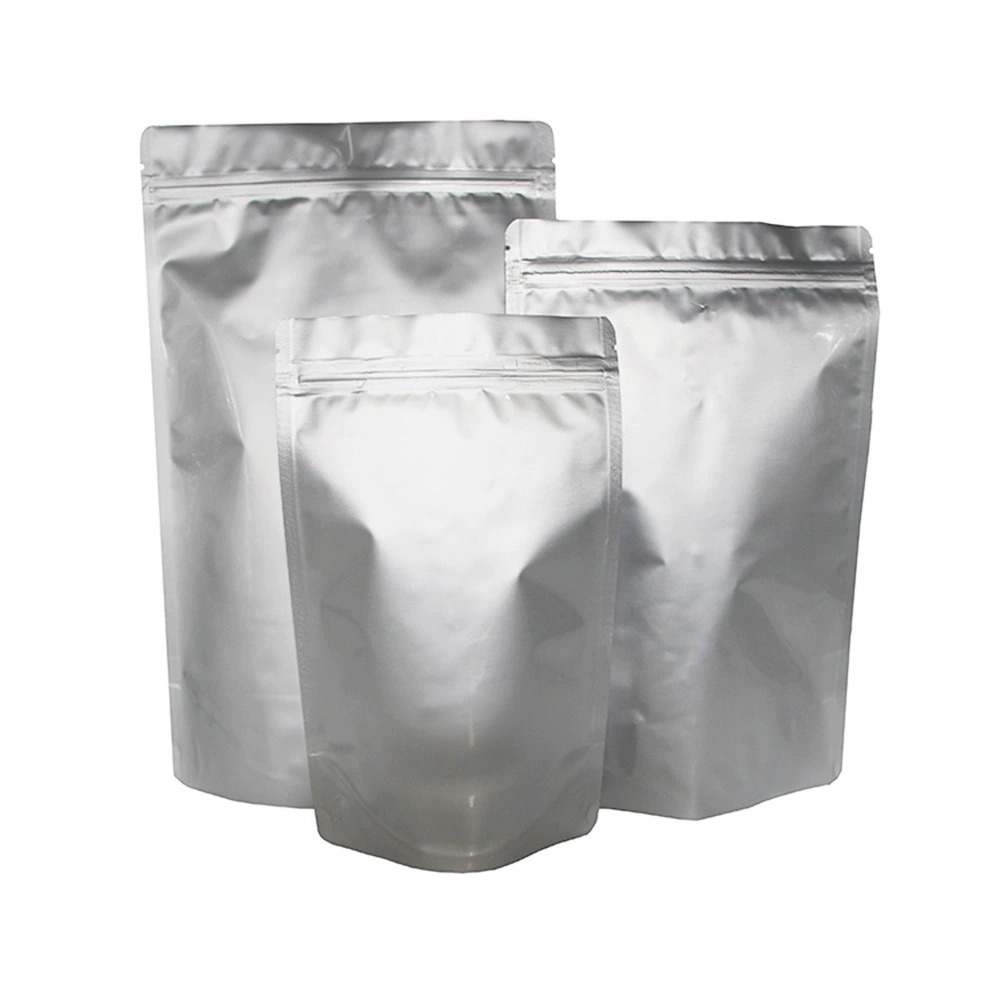
Two abbreviations, two questions
OTR refers to oxygen transmission rate. WVTR refers to water-vapour transmission rate. ASTM D3985 and F1249 are examples of methods addressing those respective measurements through film. A result for one does not supply the other. Source: ASTM D3985; ASTM F1249.
| Field to request | Why it belongs beside the number |
|---|---|
| Property and units | Prevents unlike measurements being compared |
| Temperature and humidity conditions | Defines the environment of the result |
| Method and edition | Identifies how the measurement was made |
| Structure and thickness | Connects the result to the quoted material |
| Film or finished-package basis | Clarifies what was actually evaluated |
Do not turn a film result into a shelf-life claim
A film coupon is not the whole filled pouch. The closure, seams, contents, filling process and storage conditions belong to the final package assessment. A film data sheet can support material selection, but it cannot by itself establish how long a particular product remains acceptable.
Ask the product team which failure matters: moisture change, oxidation, aroma change, physical damage or something else. A barrier target should come from the product requirement and a suitable evaluation plan, not from whichever supplier advertises the smallest number.
Keep comparisons honest
Build a table with one row per candidate and leave unmatched conditions visible. If one supplier reports only “high barrier,” mark the field as missing. If two results use different conditions, request a comparable result or ask the laboratory how to interpret the difference.
Do not convert a “less than” result into an exact value. It may reflect a reporting or detection limit. Preserve the original notation and ask what it means.
A sensible next step
Shortlist structures using comparable evidence, then evaluate representative finished packs under a plan suited to the actual contents. Record the acceptance criteria before seeing the results. This avoids choosing a convenient interpretation after the samples arrive.
For an enquiry, send the supplier the property, units and conditions you need. If you do not yet know the target, say so and request technical input. An honest missing requirement is easier to resolve than a confident but irrelevant number.